Osobní p?íb?hy hazardu Jak m? hra zm?nila navždy
Úvod do sv?ta hazardu
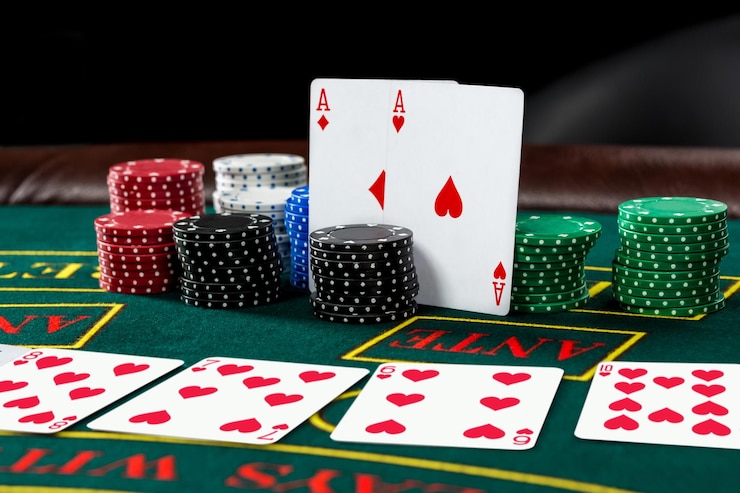
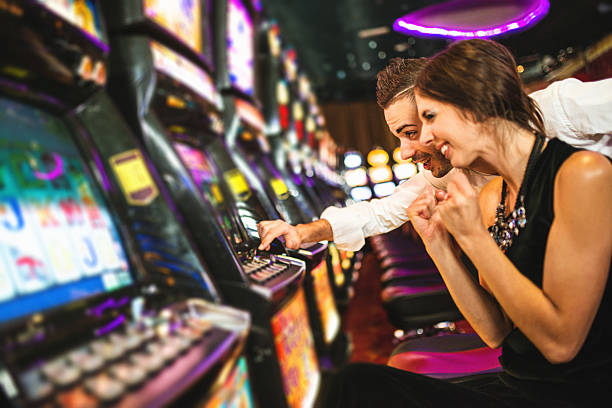
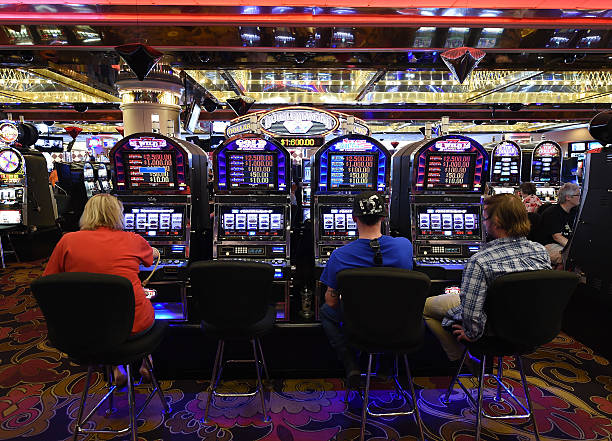
Hazardní hry, a? už v kasinech nebo online, mají pro mnohé z nás neodolatelnou p?itažlivost. Vstup do tohoto sv?ta m?že být vzrušující, avšak i nebezpe?ný. M?j osobní p?íb?h za?al nevinn? – návšt?vou místního kasina s p?áteli. Fascinace hrou a možností rychlého zisku m? p?ivedla k tomu, že jsem za?al hrát pravideln?. Na po?átku jsem si ani neuv?domoval, jak velký vliv to na m? bude mít.
Jak jsem se více zapojoval do her, za?al jsem rozum?t strategiím a psychologii hrá??. Zjistil jsem, že hazard není jen o št?stí, ale také o analýze a schopnosti se rychle rozhodovat. Každé oto?ení rulety nebo tah kartami m? u?ilo n?co nového. Avšak s každým vyhraným kolem rostla i má závislost a touha po dalším vzrušení.

Tyto zkušenosti m? nakonec p?ivedly na cestu sebepoznání. Uv?domil jsem si, že hazard m?že mít i temnou stránku, a že je d?ležité mít kontrolu. M?j p?íb?h je p?íkladem toho, jak se m?že ?lov?k zm?nit, když se dostane do chápání toho, co mu hra skute?n? p?ináší a bere.
Osobní ztráty a lekce
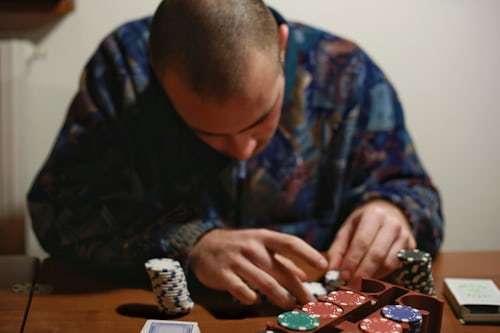
Každý hrá? si prochází obdobím, kdy si vyhrává, ale také kdy ztrácí. Mé nejv?tší ztráty p?išly ve chvíli, kdy jsem za?al hrát s emocemi. P?esv?d?ení, že musím vyhrát zp?t to, co jsem ztratil, m? p?ivedlo k neuváženému sázení. Ztratil jsem nejen peníze, ale i d?v?ru od rodiny a p?átel, což m? nutn? vedlo k zamyšlení.
Jedna konkrétní situace se mi vryla do pam?ti: po dlouhé noci prohraného sázení jsem se vrátil dom? s prázdnýma kapsama a prázdnou duší. Místo euforie jsem pocítil prázdnotu. Tento moment m? donutil zhodnotit, co opravdu chci od života. Po této zkušenosti jsem za?al studovat, jak se vyvarovat negativním následk?m hazardu, a hledal jsem rady, jak hrát zodpov?dn?ji.
V d?sledku t?chto ztrát jsem se nau?il hodnotit své skute?né priority. Zjistil jsem, že peníze nejsou vše, a že mezilidské vztahy a osobní spokojenost mají mnohem v?tší váhu než jakýkoli jackpot. Tímto zp?sobem se mi poda?ilo najít rovnováhu mezi zábavou a zodpov?dností.
Ovlivn?ní vztah?
Hazard má nejen vliv na hrá?e samotného, ale také na jeho okolí. M?j vztah s rodinou a p?áteli se postupn? prom??oval. Na za?átku mého hraní byli moji blízcí nadšení a podporovali m?. Jak však mé sázení p?erostlo v problém, za?ali si všímat zm?n v mém chování. ?asté výmluvy a tajemství o pen?zích vyvolaly ned?v?ru a nap?tí.
P?i jedné vážné konfrontaci mi blízký p?ítel ?ekl, že se obává o mou budoucnost. Tento rozhovor byl pro m? klí?ový. Uv?domil jsem si, že hra m? odcizila od t?ch, které mám nejrad?ji. P?estože jsem si myslel, že jsem v tom sám, byl jsem obklopen lidmi, kte?í se o m? skute?n? starali. Toto uv?dom?ní m? donutilo p?ehodnotit sv?j p?ístup k hazardu.
Postupn? jsem za?al usilovat o obnovu t?chto vztah?. Omluvil jsem se za své chování a za?al se snažit v?novat více ?asu svým blízkým. Mnoho z nich m? podpo?ilo na cest? zp?t k zodpov?dn?jšímu hraní, a to mi pomohlo vybudovat d?v?ru znovu. ?lov?k si ?asto neuv?domuje, jak m?že být hazardní hra destruktivní i pro ty, kte?í stojí na jeho stran?.
Osobní r?st a zm?ny
Moje zkušenosti s hazardem m? nau?ily nejen o zábav?, ale také o sob? samém. Po každé proh?e a každém úsp?chu jsem se u?il. Zjistil jsem, jak d?ležité je mít kontrolu nad svými emocemi a rozhodnutími. U?ím se o strategických p?ístupech, které mi pomáhají hrát s rozvahou. Tímto zp?sobem jsem dokázal minimalizovat riziko ztrát.
Za?al jsem také vést deník, kde jsem si zapisoval své myšlenky a pocity spojené s hraním. Tento proces mi pomohl uv?domit si, jak se mé chování m?ní v závislosti na výsledcích her. Tímto zp?sobem jsem se mohl zam??it na své impulzy a nau?it se je ovládat. Uv?domil jsem si, že každé rozhodnutí m?že mít dalekosáhlé d?sledky.
Nakonec jsem se rozhodl zapojit do komunity hrá??, kte?í se snaží hrát zodpov?dn?. Tyto interakce mi poskytly cenné rady a perspektivy, které m? motivovaly k pozitivním zm?nám. Osobní r?st, který jsem zažil, m? nau?il, že i když m?že být hazardní hra zábavná, je d?ležité mít jasné hranice a strategii.
Informace a podpora pro hrá?e
Dnes, když se dívám zp?t na sv?j p?íb?h, jsem vd??ný za to, co jsem se nau?il. Hazardní hry mohou mít velký vliv na náš život, a proto je d?ležité mít o této problematice pov?domí. Pokud se rozhodujete hrát, doporu?uji, abyste se dob?e informovali a rozum?li rizik?m, která s sebou hazard nese. Existuje spousta zdroj? a organizací, které nabízejí podporu pro ty, kte?í se snaží hrát zodpov?dn?.
Jsem p?esv?d?en, že sdílení zkušeností pomáhá nejen jednotlivc?m, ale také komunit? jako celku. Vzájemná podpora a porozum?ní mohou vést k pozitivní zm?n?. Mnozí lidé, kte?í se dostali do potíží, si mohou uv?domit, že nejsou sami a že existují cesty zp?t k zdravému hraní.
Pokud máte zájem o více informací, doporu?uji navštívit webové stránky zam??ené na prevenci závislosti na hazardních hrách. Tyto zdroje vám poskytnou cenné rady, jak se vyhnout rizik?m a najít rovnováhu v hraní. V??ím, že každý má možnost zm?nit sv?j život k lepšímu, a? už se jedná o hazard nebo jiné aspekty života.

{ 0 comments }